
Images play a major part in the modern web and blogs. They help make content more interesting and easier to comprehend and visually attractive. If images aren’t optimized properly they could slow your website down and hurt your SEO rankings and cause frustration for customers.
Understanding How to Optimize Images for Blogs and Websites is essential for anyone who wants a fast, professional, and search-engine-friendly website. When images are optimized properly they can improve the speed of loading pages, improve rankings in SEO, and improve the user experience.
In this book you’ll be taught the best techniques, tools and methods for optimizing images without sacrificing quality.
Why Image Optimization Matters for Blogs and Websites
Images are often the majority of the size of a website’s files. If they’re too big or badly formatted, they can slow the loading time of a page.
and building healthy habits are the primary motives for image optimization:
1. Faster Page Load Speed
Large images can significantly slow down your site. Optimized images can reduce the size of files and speed up loading of pages.
2. Improved SEO Rankings
Search engines such as Google prioritize websites that are fast. Proper image optimization helps improve rankings.
Learn more about Google’s speed suggestions by reading Google PageSpeed Insights:
https://pagespeed.web.dev/
3. Better User Experience
People are much more inclined visit websites that load fast and show clear images.
4. Lower Bandwidth Usage
Optimized images require smaller amounts of data. This lowers the load on servers and costs for hosting.
5. Higher Conversion Rates
Web sites that are speedy and have attractive images make it easier for visitors to look through more information and take action.
Understanding Image File Types
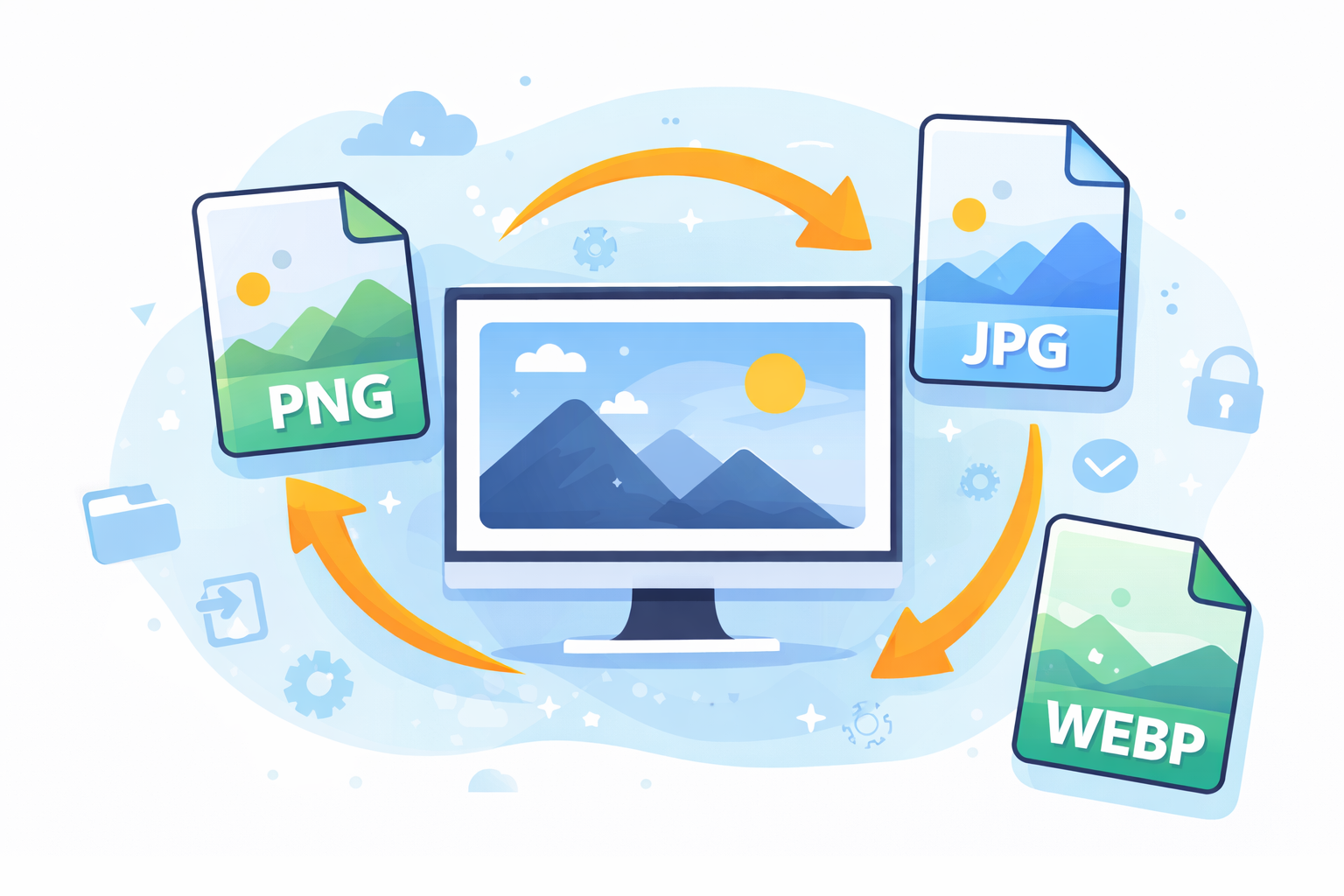
Selecting the right file format is among the first steps to learn how to optimize images for blogs and websites.
| Image Format | Best Use | Advantages |
|---|---|---|
| JPEG | Images and photos that are complex | Small size, high-quality |
| PNG | Transparency and graphics | High-end and crystal clear edges |
| WebP | Modern web images | Smaller size, but high quality |
| SVG | Logos and icons | Scalable, but without compromising quality |
| GIF | Simple animations | Animations that are lightweight |
Tip:
WebP is typically the best choice for web sites because it allows for smaller file sizes and maintains the quality.
Choose the Right Image Size
Uploading images that are too large is among the most common mistakes that bloggers make.
For instance:
- A blog post content image generally requires 1200 pixels in width.
- A thumbnail could only require 300px
- Full-screen hero images may need 1920px
Uploading images that are larger than the required size is a waste of bandwidth and slows your site.
Best Practices for Image Dimensions
- Resize images prior to uploading
- Make sure you match the dimensions of your image to the layout of your theme
- Do not upload images directly from smartphones or cameras without having them resized
Compress Images Without Losing Quality
Image compression can reduce the size of files while maintaining clarity of image.
There are two types of:
Lossy Compression
Eliminates some image data to make it smaller.
Benefits:
- Much smaller file sizes
- Faster loading pages
Lossless Compression
Reduces file size but doesn’t compromise image quality.
Benefits:
- Maintains perfect visual quality
- Great for logos or graphics
The best practice is to Make sure you balance dimensions and quality.
Use Descriptive File Names for SEO
Search engines are unable to fully comprehend images unless they are contextualized.
Instead of uploading pictures like:
IMG_84739.jpg Use descriptive names:
optimize-blog-images-speed.jpg This aids search engines in understanding the image’s content and improves the image’s ranking in search results.
Add ALT Text for Accessibility and SEO
The ALT text (alternative text) describes images for screen readers and search engines.
Example:
Bad alt text:
image1 Good alt text for:
woman editing blog images for faster website speed The benefits of ALT text
- Improves SEO
- Aids visually impaired users with visual impairment.
- Helps to understand why images are unable to load.
When you are applying How to optimize images for blogs and websites The ALT text can be among the top crucial SEO elements.
Use Lazy Loading to Improve Speed
Lazy loading is when images are loaded only after the user scrolls down.
Benefits include:
- Speedier initial page load
- Reduction in bandwidth usage
- Improved Core Web Vitals
Modern websites have many platforms that offer lazy loading that is automatically performed.
Examples of implementations may include:
- WordPress integrated lazy loading
- JavaScript libraries
- Performance plugins
Use Content Delivery Networks (CDNs)
An Content Delivery Network (CDN) lets you distribute your images to servers around the world.
If someone visits your site:
- The image is loaded from the nearest server.
- The load time increases and is faster
Most well-known CDNs include:
- Cloudflare
- BunnyCDN
- KeyCDN
- Amazon CloudFront
CDNs greatly improve the performance of websites specifically for international viewers.
Implement Responsive Images
Responsive images adjust to various screen sizes, for example:
- Desktop
- Tablet
- Mobile
The use of responsive images will ensure small devices can download smaller images instead of huge desktop images.
HTML example:
This method greatly enhances the performance of mobile devices.
Use Image Optimization Tools
A variety of tools makes image optimization simple and automatic.
Best Image Optimization Tools
| Tool | Best For | Features |
|---|---|---|
| TinyPNG | Quick compression | Drag-and-drop optimization |
| ImageOptim | Mac users | High-quality compression |
| ShortPixel | WordPress | Automated optimization |
| Squoosh | Manual editing | Advanced compression |
| Kraken.io | Bulk optimization | API Support for API |
These tools can reduce the size of images without compromising quality.
Optimize Images for Social Media Sharing
Images posted on social media need to be optimized separately.
The recommended sizes are:
| Platform | Image Size |
|---|---|
| 1200 x 630 px | |
| Twitter/X | 1200 x 675 px |
| 1000 x 1500 px | |
| 1200 x 627 px |
The correct sizes will prevent cropping and increase aesthetic appeal when shared.
Common Image Optimization Mistakes
Even the most experienced bloggers make mistakes that can slow websites.
1. Uploading Huge Images
Camera images can be multiple megabytes.
2. Using the Wrong File Format
Utilizing PNG images for photo enhancement increases the size of files in a way that is not needed.
3. Forgetting ALT Text
Inadequate ALT attributes hinder SEO’s potential.
4. Not Compressing Images
Uncompressed images are among the most common reasons for slow websites.
5. Ignoring Mobile Optimization
Large images on desktops can slow down mobile page load times drastically.
Making sure to avoid these errors significantly enhances the performance of your website.
Advanced Image SEO Techniques
If you want to maximize your effectiveness, the most advanced techniques could improve optimization.
Use Next-Gen Formats
Modern formats such as WebP and AVIF are more compressible over JPEG or PNG.
Implement Image Sitemaps
Image sitemaps help search engines discover images faster.
Use Structured Data
Structured data aids search engines to understand visual content.
Enable Browser Caching
Caching lets returning visitors load images in a flash.
These sophisticated techniques are frequently used by websites that have high traffic.
FAQs About How to Optimize Images for Blogs and Websites
1. What is the most suitable image format for web pages?
WebP is typically the best choice since it is high-quality and has smaller file sizes when compared to JPEG and PNG.
2. How big should blog images be?
The majority of blog images are compatible between 1200px to 1600px width according to the layout of the theme.
3. Do image optimizations improve SEO?
Yes. Optimized images increase page speed, accessibility and search engine performance.
4. Is there a minimum size for an image file?
Ideally images are best kept less than 200KB when it is possible.
5. Do all images need to have alt text?
Yes. Alt text is more accessible and assists search engines to understand the content of images.
6. What software can optimize automatically images?
Tools such as TinyPNG, ShortPixel, and ImageOptim allow for automatic compression of images prior to or following upload.
Conclusion
The process of learning how to optimize images for blogs and websites is crucial to improve the speed of your website as well as SEO rankings and the user experience. Images can improve any content but they can only do so if they are optimized.
When you select the appropriate format for your images, compressing them with descriptive file names, including the ALT text and making responsive images, you will dramatically improve the performance of your website.
Combine these methods combined with powerful optimizing tools as well as a reliable CDN your site will load more quickly as well as rank higher and deliver more enjoyable experiences for users.
Optimized images go beyond an improvement in technology, they are also an effective SEO strategy that will help websites and blogs to achieve success in an increasingly competitive digital environment.