
Introduction
In the modern world of digital social media is fueled by images. No matter if you’re posting on Instagram, Facebook, TikTok, LinkedIn, or Pinterest photos that are of high quality are vital to attract the attention of. But, just uploading a image isn’t enough. For the best performance, it is essential to understand how to convert Pictures to Social Media Use properly.
Different platforms have their own unique dimensions as well as file formats and compression rules. If you upload your images in a way that isn’t properly converted the images may appear blurry, distorted or distorted. They may also be slow to load. This could reduce user the engagement of your audience and harm your brand’s image professional.
Understanding how to convert images to Social Media Use helps you improve the quality of your images to ensure clarity speed, speed, and compatibility with different platforms. Utilizing the proper methods and tools, you’ll be able to ensure that each image is sharp and is well-performing.
In this article we’ll cover all you need to know about the formats of images and sizes to powerful tools for conversion, as well as common errors to avoid.
Why Image Conversion Matters for Social Media
Social media platforms compress and process images in a way that is automatic. If you upload pictures without having them prepared it is possible that you will encounter a number of problems.
1. Maintains Image Quality
A proper conversion will ensure that your photos remain professional and crisp even after compression by platform.
2. Improves Loading Speed
Optimized images load more quickly improving the user experience as well as engagement.
3. Prevents Cropping Issues
Each platform has distinct aspect ratios for each platform. Converting images guarantees that they will fit perfectly, without cropping.
4. Enhances Brand Consistency
A consistent format for images makes your feed look attractive and professional.
Understanding Social Media Image Requirements
Different platforms employ different ratios and dimensions. If you choose the wrong size, it could result in a sloppy cropping, or blurry images.
| Platform | Recommended Size | Aspect Ratio |
|---|---|---|
| Instagram Post | 1080 x 1080 | 1:1 |
| Instagram Story | 1080 x 1920 | 9:16 |
| Facebook Post | 1200 x 630 | 1.91:1 |
| Twitter/X Image | 1200 x 675 | 16:9 |
| LinkedIn Post | 1200 x 627 | 1.91:1 |
| Pinterest Pin | 1000 x 1500 | 2:3 |
If you convert your images into the correct sizes prior to uploading, you ensure clarity and balance in your photos.
Best Image Formats for Social Media
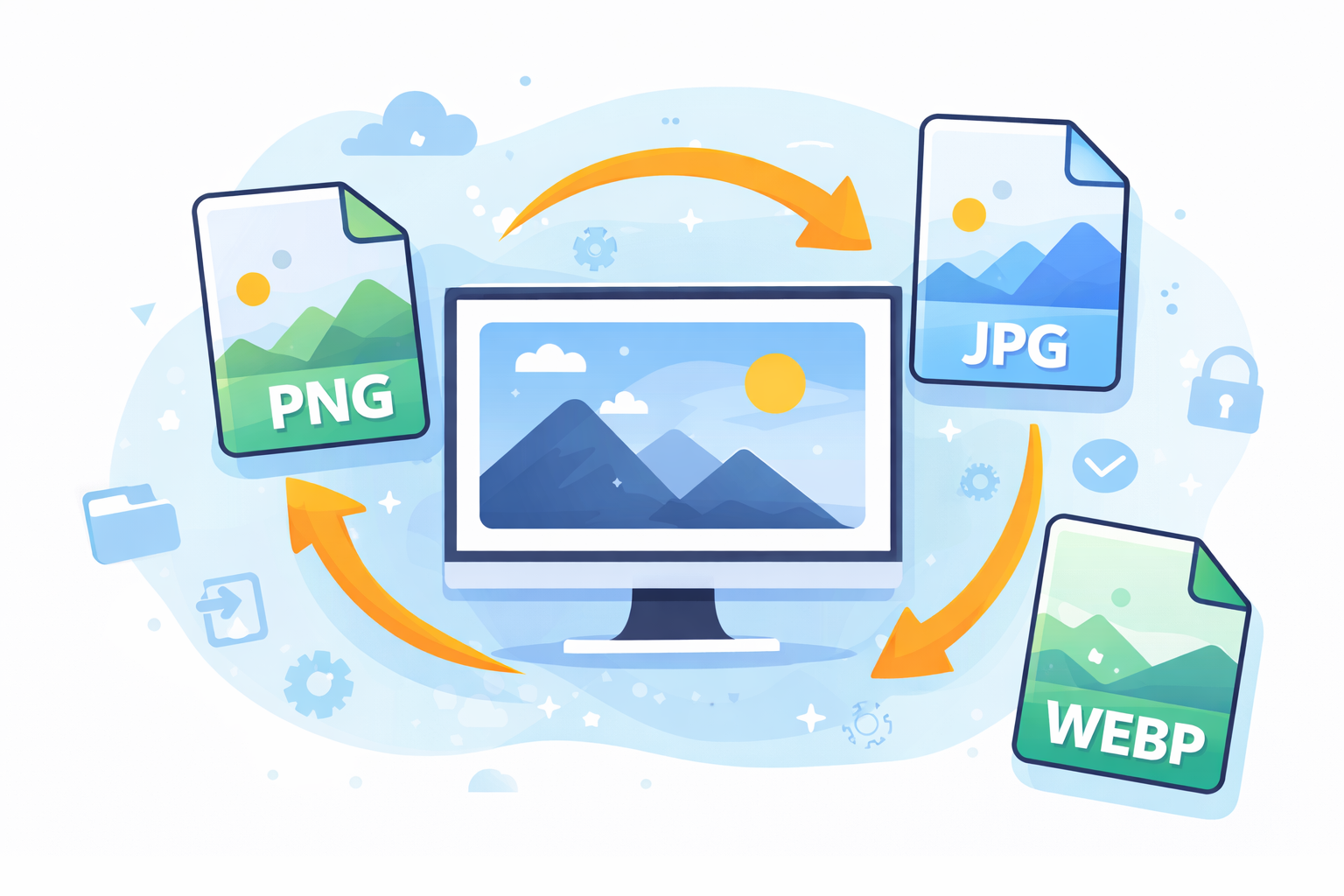
Selecting the right file format is a crucial step to take when studying how to convert images to Social Media Use.
JPEG (JPG)
- Ideal for photoshoots
- Small size file
- Great compatibility with social media.
PNG
- Perfect for logos and graphics
- Promotes Transparency
- Quality is higher, however the file size
WebP
- Modern format that is more compressible
- Keeps the quality even when files are smaller sizes
- Growingly fully supported by platforms
GIF
- Useful for short animations
- Popular on platforms such as Twitter or messaging platforms
Step-by-Step Guide: How to Convert Pictures for Social Media Use
Converting images to social media does not require any the most advanced design expertise. Follow these easy steps:
Step 1: Choose the Right Platform Size
Start by determining the proper dimensions for the platform to which you’ll upload the image.
Step 2: Crop the Image
Utilize editing tools to alter the aspect ratio of your image prior to changing the size.
Step 3: Resize the Image
Resize your photo to be in line with your resolution. (for instance, 1080×1080 on Instagram).
Step 4: Choose the Correct Format
Choose JPG for images PNG for graphics or WebP to optimize web performance.
Step 5: Compress the File
Make use of compression tools to decrease file size, but not lose quality of the image.
Step 6: Export and Upload
Make sure you save the file optimized, then upload it to the desired platform.
Top Tools to Convert Pictures for Social Media
Many tools can assist in the process of conversion.
1. Canva
Canva allows users to swiftly alter the size of images for various platforms, using templates created by Canva.
2. Adobe Photoshop
Photoshop provides advanced cropping, resizing, and compression options for professionals.
3. TinyPNG
It compresses pictures but without any noticeable quality loss.
4. Image Resizer
A variety of free online image resizers let you make quick adjustments to the dimensions.
5. Adobe Express
A simple tool to make social-media-ready images.
To learn more about optimizing images for web usage it is possible to look into the resources available from
https://developers.google.com/web/fundamentals/performance/optimizing-content-efficiency/image-optimization
How to Optimize Images for Better Social Media Engagement
Image conversion is just one element of the visual optimization. To improve engagement:
Use Bright Colors
Pictures with vivid colors usually are more effective in social feeds.
Add Text Overlays
In-text headlines and short captions within images can boost click-through rates.
Maintain Consistent Branding
Make sure to use the same fonts, colors and style of visuals across all of your posts.
Avoid Overcompression
A lot of compression can cause images to look blurred.
Test Different Formats
Try out square, vertical as well as horizontal designs.
Common Mistakes When Converting Images
A lot of people do not realize that they are reducing the quality of their images due to small errors.
Uploading Large Files
Large images cause slow loading times and could be extremely compressed by platforms.
Using Incorrect Aspect Ratios
Unsufficient ratios result in frame distortion or cropping.
Saving Images Multiple Times
Editing and saving repeatedly could reduce image quality.
Ignoring Mobile Viewing
The majority of social media users browse content via mobile devices, which is why pictures that are vertical tend to do better.
Using Low-Resolution Images
Always begin with high-resolution images prior to converting.
Advanced Tips for Professional Social Media Images
If you’re looking to make the attention of your audience, think about these strategies that are more advanced.
Use AI Image Upscaling
AI tools can improve resolution without compromising details.
Apply Sharpening Filters
Light sharpening enhances clarity after changing the size.
Use Color Profiles
sRGB is the preferred color profiles for use on social networks.
Batch Convert Images
Batch tools help speed up the process of creating multiple images.
Maintain a Content Library
Maintain organized folders of optimized images that are ready to be posted.
SEO Benefits of Optimized Social Media Images
Image optimization isn’t just about improving the quality of images, it also aids in digital marketing.
Benefits include:
- Faster website loading
- Better search visibility
- Improved user experience
- Higher engagement rates
- Brand recognition is stronger
If companies understand how to convert images to Social Media use they will be able to create images that work better across a variety of platforms.
Frequently Asked Questions (FAQs)
1. What is the ideal image format for social media?
JPEG is typically the best choice for photos and logos, while PNG is more suitable for logos and graphics.
2. What size would Instagram pictures be?
The ideal size is 1080×1080 pixels for square posts.
3. Why are my photos appearing blurred on the social platforms?
The reason for blurry images is usually improper resizing, over-compression or the uploading of low-resolution images.
4. Do I have the ability to convert images nothing?
Yes. Numerous free tools such as Canva, TinyPNG, and online image resizers can speed up image conversion.
5. Should I compress images prior to uploading?
Yes. compression can help reduce file size while preserving quality, which increases loading speeds.
6. Are WebP ideal for social media?
WebP is a great compression tool and quality, however not all social networks fully allow it.
Conclusion
Understanding how to convert images to Social Media Use is crucial for anyone wanting their content to look professional and draw attention. A proper image conversion will ensure that your images appear crisp load quickly and are compatible across all platforms.
When you choose the appropriate image format, and resizing images to the correct dimensions and using reliable optimizing tools you will be able to significantly enhance how you present your posts.
Make sure to avoid common mistakes like wrong aspect ratios, over compression or low-resolution uploads. When you take the proper approach you can make your images be distinguished from other feeds and will help to strengthen the online visibility of your business.
Images that are high-quality are among the most effective tools available for social marketing through media. Once you are familiar with the procedure of optimizing and converting images, creating beautiful posts becomes easier, faster and more efficient.